
Process
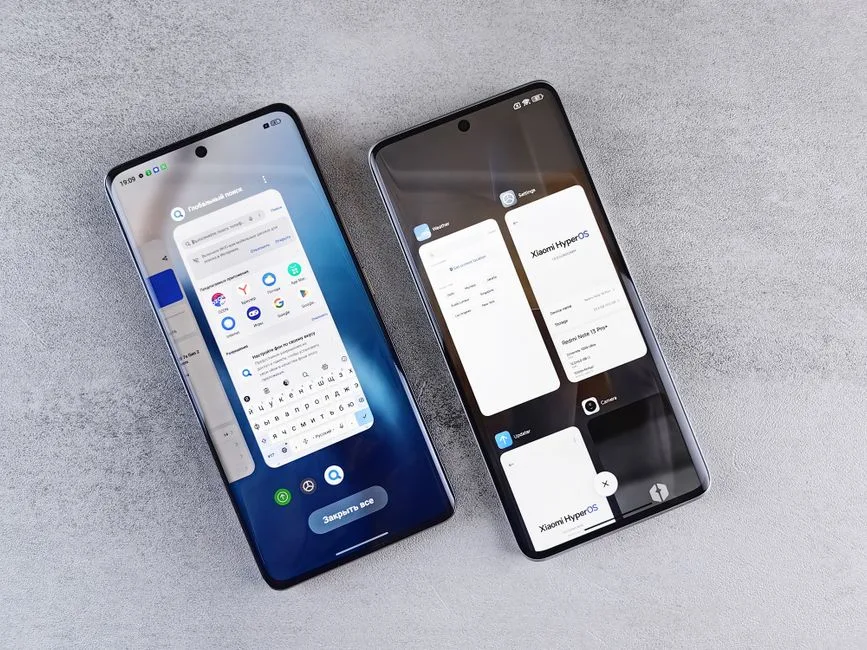
Our mobile app development process is built on an AI-accelerated engineering framework. It begins with a collaborative discovery phase to define user stories, architecture, and technical specifications. Senior engineers then employ AI-assisted tools for rapid prototyping, code generation, and component assembly, automating repetitive coding tasks. This is followed by rigorous, automated testing suites for functionality, performance, and security, ensuring compliance with standards like OWASP MASVS. The final stages involve deployment to cloud infrastructure and submission to app stores. This AI-augmented approach, governed by senior developer oversight, allows us to deliver a polished, production-ready mobile application in approximately one quarter of the time required by conventional agencies. For projects with a web component, our methodology extends seamlessly to Web Application Development.
Local Considerations — USA
The demand for mobile app development in the United States varies significantly by regional tech ecosystem. In traditional enterprise hubs like Dallas and Houston, projects often focus on internal tooling and customer portals. In contrast, innovation centers like San Francisco and Austin drive demand for consumer-facing SaaS and disruptive startup MVPs, where speed to market is critical. The talent pool is deep, with strong engineering graduates from universities nationwide, though senior developer rates typically range from USD 100-200 per hour. Our AI-accelerated delivery model is particularly compelling for startups in competitive markets like Austin, as it allows for rapid iteration and validation, compressing development cycles to outpace competitors. We adapt our engagement model to these local dynamics, providing the same accelerated, high-quality engineering from Anaheim to Anchorage.
Reference Project Parameters
| Parameter | Reference Value |
|---|---|
| Typical Project Timeline | 4-8 weeks |
| MVP Timeline | 2-4 weeks |
| Core Technology Stack | React Native, Swift, Kotlin, Node.js |
| Backend & Data | AWS/GCP, PostgreSQL, Firebase |
| Code Review & QA Standard | Senior-led, 95%+ test coverage |
Technology Stack
- OWASP Mobile Application Security Verification Standard (MASVS)
- WCAG 2.2 AA Accessibility Guidelines
- SOC 2 Type II Security & Privacy Controls
- Apple App Store & Google Play Developer Policies
Request a Quote
Our team reviews your project and issues an initial report at no cost.
Or write us directly at [email protected]
Frequently Asked Questions
How can you deliver a full mobile app in 4-8 weeks?
Our timeline is achieved through an AI-accelerated development workflow. AI tools automate repetitive coding, testing, and QA tasks under the direction and review of our senior engineers. This automation, combined with a streamlined process, allows us to build at roughly four times the speed of a traditional agency without compromising on architecture or code quality.
What is your approach to mobile app security?
Security is integrated from the initial architecture phase. We adhere to the OWASP MASVS framework, implement secure coding practices, conduct automated and manual penetration testing, and ensure data encryption in transit and at rest. For applicable projects, we architect solutions to support SOC 2 compliance.
Do you build native (iOS/Android) or cross-platform apps?
We recommend the optimal approach based on project requirements. For maximum performance and platform-specific features, we develop native apps using Swift and Kotlin. For cost-effective code sharing and faster development, we use React Native, ensuring a native-like experience. The decision is made during our technical discovery phase.
How much does mobile app development cost in the USA?
Project costs vary based on complexity, feature set, design requirements, and integration needs. A basic MVP can start in the tens of thousands, while enterprise-grade applications with advanced backend systems range into the hundreds of thousands. We provide detailed, fixed-scope proposals after a technical discovery to ensure accurate budgeting and timeline alignment.